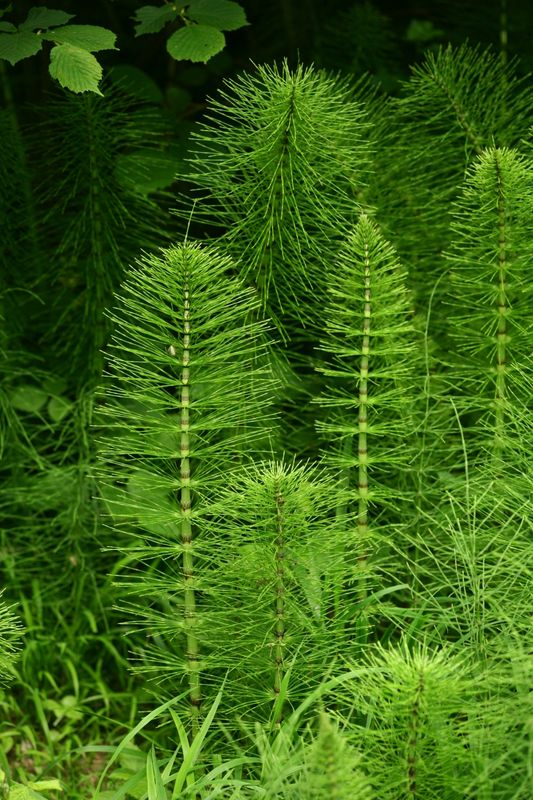
This course introduces students to the fundamentals of forest vegetation, plant anatomy, morphology, and ecosystem structure 🌳. It covers the study of forest communities (phytocoenosis), plant identification, and the analysis of ecological interactions. The course is intended for students who wish to deepen their knowledge in botany and forest ecology 🌲.
Aim: to provide knowledge about plant anatomy, morphology, growth, and development, as well as to familiarize with the species composition of forest plants and the classification of forest types.
The course introduces the botanical nomenclature and diversity of forest plants, as well as their potential uses in various industrial sectors. It examines the condition and resources of forest phytocenoses and the conservation measures applied to preserve their diversity. The course also analyzes how to professionally balance the rational use of natural resources with the constantly changing human needs and global environmental challenges. It highlights the importance of plant diversity in human environments and economic activities.
Topics:
The development of botanical science: main directions, objectives, and the evolution of research methods.
The structure of plant cells and the types of plant tissues and their vital functions.
Morphological and anatomical structure of the vegetative parts of plant and the physiological processes taking place.
Flower morphology and anatomy, sporogenesis and gametogenesis, formation of fruits and seeds.
Algae, lichens and mosses. The main species and their biological and ecological significance.
Spore-bearing plants: clubmosses, horsetails, and ferns. The main species, and their biological significance.
General characteristics of angiosperms: Liliopsida and Magnoliopsida. Their practical and biological significance.
Characteristics of the main dicot plant families, indicator species, and their biological and practical significance.
Characteristics of the main monocot plant families, indicator species, and their biological and practical significance.
Characteristics of the main monocot plant families, indicator species, and their biological and practical significance.
Classification of forest types, formation of phytocenoses, and plant resistance to biotic and abiotic factors.
Course workload – 6 ECTS credits
Assessment of learning outcomes:
Midterm assessments – 30% (tests / colloquiums)
Laboratory reports and defense – 20% (laboratory work and their defense)
Final exam – 50%
- Dėstytojas: Sandra Saunoriūtė
- Besimokantysis: MD SOURAV AHMED
- Besimokantysis: Rafa Amin
- Besimokantysis: Fahim Hasan Anik
- Besimokantysis: Anjuman Arlin
- Besimokantysis: Shyam Arafat Asfi
- Besimokantysis: SHYAM ARAFAT ASFI
- Besimokantysis: Md. Sany Dewan
- Besimokantysis: Mehedi Hasan
- Besimokantysis: MAMUN HASAN TUSHER
- Besimokantysis: Nazmul Huda
- Besimokantysis: Fizarul Islam
- Besimokantysis: Md Al Amin Mollah
- Besimokantysis: Md Sumon Mondal
- Besimokantysis: MD SHAHED UDDIN MUNNA
- Besimokantysis: MAHFUZ ISLAM POLLAB
- Besimokantysis: Uesra Habiba Prity
- Besimokantysis: Mahfujur Rahman
- Besimokantysis: Md Abdur Razzak
- Besimokantysis: Shadman Hossain Shakib
- Besimokantysis: MD. MAHEDI HASAN SHUVO
- Besimokantysis: MAMUN HASAN TUSHER